
Wondering what solar panels cost in Shropshire? Get real 2026 figures for installation costs, savings, payback periods and available grants - from a local installer.
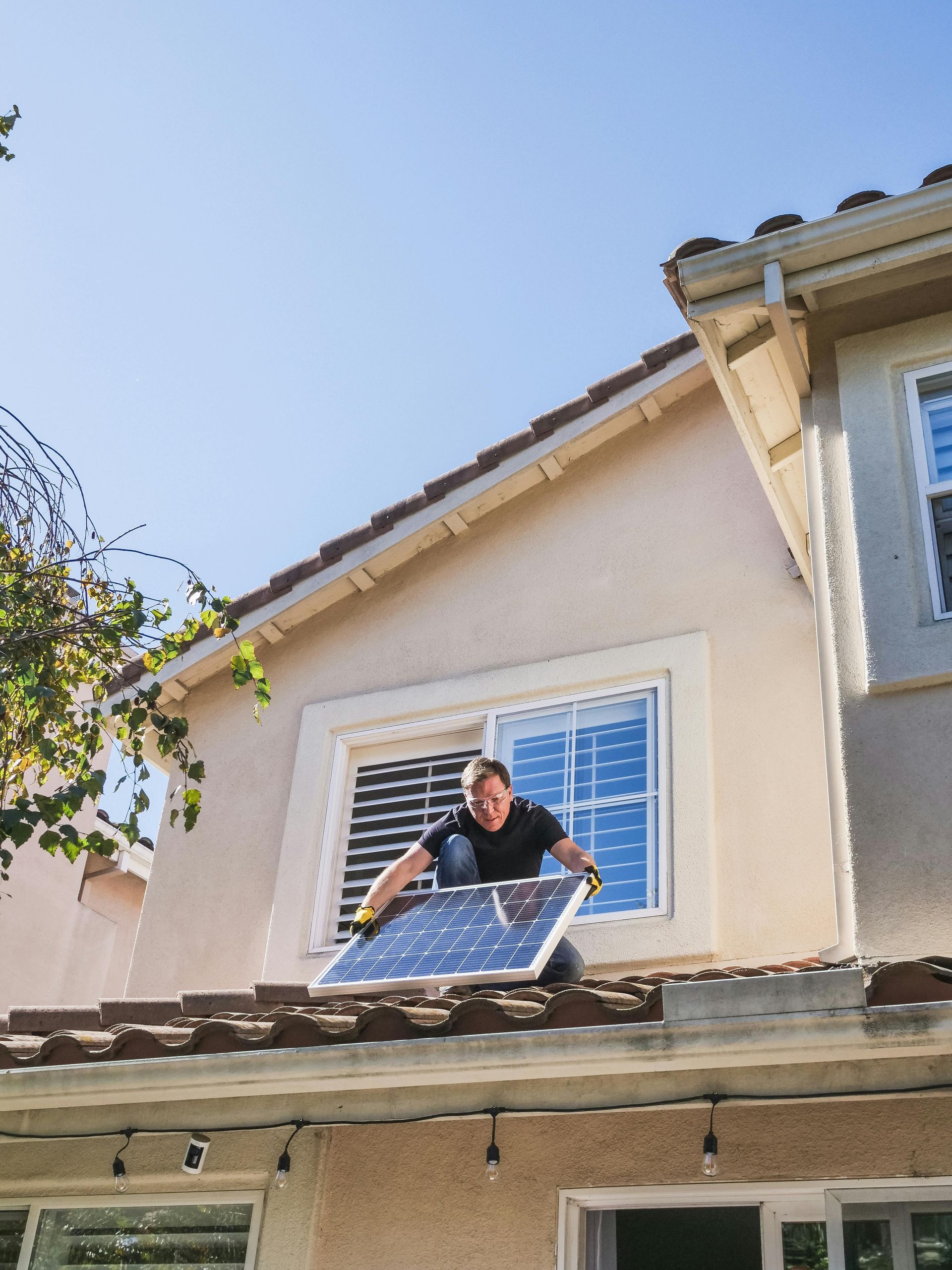
⚡ The Biggest Mistakes People Make When Buying Solar (And How to Avoid Them) With energy prices continuing to fluctuate, more homeowners across the UK are turning to solar panels and battery storage . And rightly so — when designed and installed correctly, solar can significantly reduce your energy bills and give you long-term energy independence. However, one thing we see time and time again is customers making avoidable mistakes when comparing quotes and choosing a system. In this guide, we’ll walk you through the most common pitfalls — and how to avoid them. ❌ 1. Choosing the Cheapest Quote This is by far the most common mistake. It’s natural to compare prices, but solar is not a like-for-like product. A cheaper quote often means compromises somewhere — whether that’s in the quality of components, installation standards, or aftercare. In many cases, lower-cost systems: Use lower-tier panels or inverters Cut corners on installation Exclude key elements like scaffolding or certification Research shows that unusually low quotes often result in higher long-term costs due to repairs, poor performance, or missing components 👉 What to do instead: Compare quotes on value, not just price — and make sure you’re comparing like-for-like systems. ⚠️ 2. Not Understanding the System Design Solar isn’t just about panels on a roof — it’s about how the entire system works together. Common design mistakes include: Incorrect inverter sizing Poor panel placement Not accounting for shading Mismatched components A poorly designed system may still “work” — but it won’t perform anywhere near its potential. In fact, incorrect system design is one of the most common causes of underperformance in UK installations 👉 What to do instead: Work with a company that explains the design clearly and tailors it to your home and usage. 🌥️ 3. Ignoring Shading and Roof Orientation One of the biggest real-world factors affecting performance is something many quotes overlook: shading . Even partial shading from: Chimneys Trees Nearby buildings Can significantly reduce output — especially in winter months. Studies show that many homeowners regret not properly considering shading, leading to lower-than-expected performance. 👉 What to do instead: Ensure a proper site survey is carried out — not just a satellite estimate. 🔋 4. Buying a Battery for the Wrong Reasons Batteries are a fantastic addition — but only when they make sense. A common mistake is adding a battery: Without understanding usage patterns Based on sales tactics rather than real benefit Without considering future expandability Many homeowners later realise the battery didn’t deliver the expected return because it wasn’t sized or used correctly. 👉 What to do instead: Treat the battery as a separate decision — based on how and when you use energy. 📉 5. Believing Overly Optimistic Savings & Payback We’ve all seen it — quotes promising: Very short payback periods Huge savings “Free electricity” The reality is that Solar performance depends on: Your usage Tariffs System design Export rates Many “headline” figures are based on ideal assumptions that don’t reflect real-world usage. 👉 What to do instead: Ask for realistic projections based on your actual usage — not generic averages. 🔧 6. Overlooking Installation Quality Even the best equipment can fail if installed poorly. Common installation issues include: Roof damage or leaks Poor wiring Incorrect mounting systems These can lead to costly repairs or even safety risks if not done properly. 👉 What to do instead: Choose an installer with proven experience, proper certifications, and attention to detail. 📋 7. Not Checking What’s Actually Included Not all quotes include the same things. Some may exclude: DNO applications Scaffolding Monitoring systems Warranties This can make a cheaper quote look attractive — until additional costs appear later. 👉 What to do instead: Always ask for a fully itemised quote and clarify what’s included. ✅ What to Look for Instead When choosing a solar installer, focus on: ✔ Quality of equipment ✔ Thoughtful system design ✔ Transparent pricing ✔ Proven installation standards ✔ Future-proofing (expandability) ✔ Clear explanation of savings and performance ⚡ Final Thoughts Solar is one of the best investments you can make in your home — but only when it’s done properly. Most issues we see aren’t because solar doesn’t work — they’re because the system wasn’t designed or installed correctly in the first place. 👋 Need Help or Want a Second Opinion? At Smart CTRL Ltd, we specialise in high-quality, bespoke solar and battery systems designed around your home, your usage, and your long-term goals. If you’d like: A second opinion on a quote A tailored system design Or just some honest advice 👉 Get in touch — we’re always happy to help.
See how Smart CTRL customer saved £1200 per year on energy bills. with trusted solar panel installation in Shrewsbury. Learn more?